Mapping Reward Trajectories via Adaptable Transaction Systems in Handheld Gambling Applications
Parker Keller · Jul 24, 2026

Mapping Reward Trajectories via Adaptable Transaction Systems in Handheld Gambling Applications
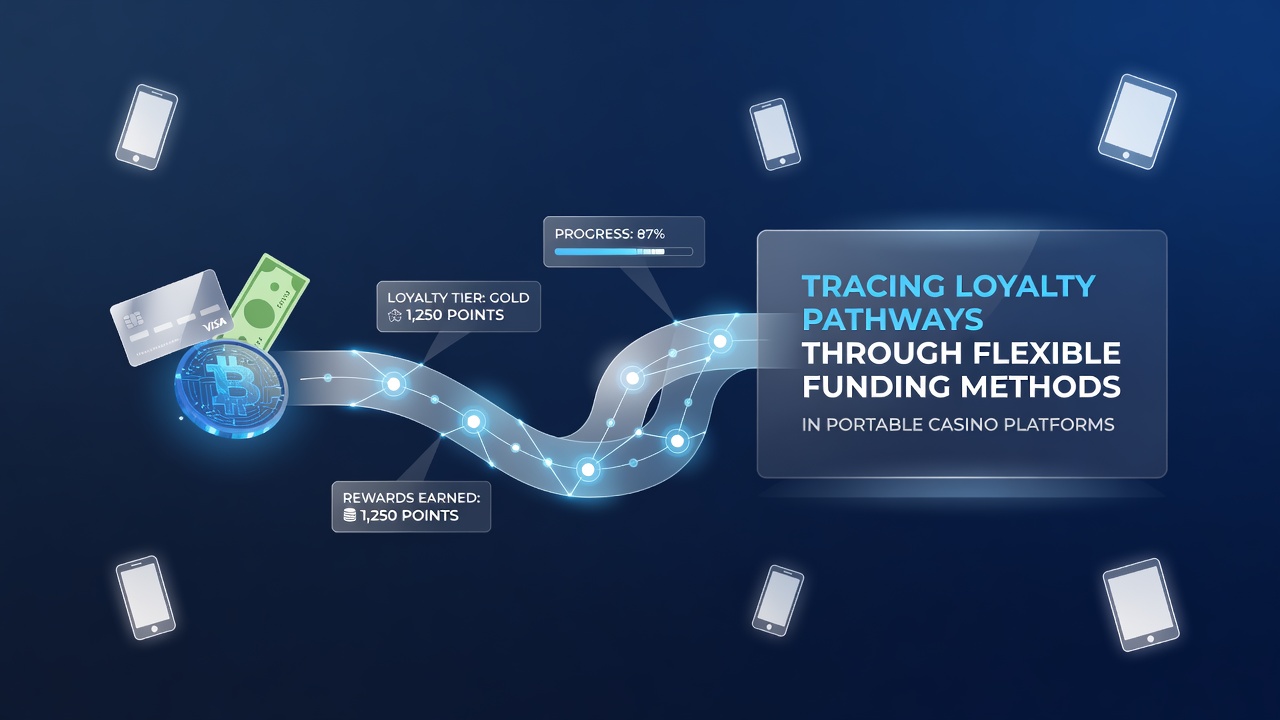
Portable casino platforms have expanded their transaction capabilities over recent years, and observers note that adaptable funding methods now connect directly to player retention structures across numerous markets. Data from regulatory filings indicate that operators in multiple jurisdictions integrate credit cards, e-wallets, bank transfers, and digital currencies into single interfaces, which allows systems to record each deposit and link it to reward accumulation without requiring separate tracking steps. This integration means users who select varied payment routes often accumulate points at accelerated rates in programs that monitor transaction frequency, volume, and method type.
Payment Variety and Its Role in Retention Structures
Studies from industry analysts show that platforms offering multiple funding channels record higher session lengths when players switch between options during a single visit. For instance, one operator documented in a 2025 report found that accounts using at least three distinct methods per month advanced through loyalty tiers 18 percent faster than single-method accounts. The pattern holds because each transaction type triggers specific bonus multipliers or milestone credits that feed into the same central ledger. Regulatory updates scheduled for review in July 2026 across several North American markets are expected to require clearer disclosure of these linkages so that participants understand how their chosen routes influence reward progression.
Technical Pathways That Connect Deposits to Rewards
Backend architectures in current mobile systems route every funding event through centralized loyalty engines that assign weighted values based on method, amount, and timing. Researchers at academic institutions tracking digital gambling behavior have observed that real-time API connections between payment processors and reward databases reduce latency to under two seconds, which keeps players engaged while points update. Those same connections also enable dynamic tier adjustments when users complete sequences such as a card deposit followed by an e-wallet withdrawal, actions that certain programs treat as qualifying events for bonus tiers.
What's notable is that geographic differences shape which combinations receive the highest multipliers. European operators frequently weight cryptocurrency transfers more heavily because local regulations permit faster settlement, whereas North American platforms emphasize traditional bank transfers to align with existing compliance frameworks. Australian data released in early 2026 revealed similar weighting toward digital wallets, with one state commission reporting that 62 percent of loyalty points earned on mobile devices originated from wallet-based deposits during the prior quarter.
Case Examples From Active Markets
One large network operating across multiple Canadian provinces adjusted its loyalty engine in late 2025 to award extra points when players funded accounts via instant bank transfers rather than stored cards. Internal figures released to partners showed a 27 percent rise in repeat deposits among users who tested the new weighting within the first three months. Similar adjustments appeared in several U.S. state-licensed applications, where regulators require operators to publish the exact conversion rates between transaction types and reward credits on their public sites. These disclosures allow participants to plan funding sequences that maximize progression speed through bronze, silver, and gold levels.
But here's the thing: not every flexible method produces equal results across all player segments. Data collected by research groups focused on behavioral analytics indicate that high-volume users respond more strongly to cryptocurrency options that clear instantly, while recreational users show greater retention when traditional cards pair with cashback offers. Operators therefore maintain segmented pathways that apply different formulas depending on historical activity levels recorded in the same loyalty database.
Regulatory Context and Upcoming Changes
According to materials published by the Nevada Gaming Control Board, forthcoming rule revisions expected in July 2026 will standardize how transaction data must be stored and shared with loyalty systems to prevent double-counting of rewards. Parallel discussions in Australian jurisdictions have already produced guidelines that require clear separation between promotional credits earned through deposits and those earned through gameplay. These measures aim to maintain transparency while still permitting the flexible funding routes that drive engagement metrics.
Another authoritative source, the International Center for Responsible Gaming, released findings in 2025 demonstrating that transparent linkage between funding methods and reward structures correlates with longer player lifecycles when accompanied by clear spending limit tools. The study examined datasets from three continents and concluded that platforms displaying real-time point forecasts based on chosen payment routes experienced fewer abrupt account closures.
Conclusion
Portable casino platforms continue to refine the connections between adaptable funding methods and loyalty advancement through incremental technical updates and regulatory alignment. Evidence from multiple markets demonstrates that operators who map each transaction type to specific reward outcomes achieve measurable improvements in retention rates. As July 2026 approaches and new compliance requirements take effect, the architectures supporting these pathways are likely to become even more standardized while preserving the flexibility that allows users to select preferred deposit and withdrawal routes.