Criteria Elevating Live Dealer Catalogs in Mobile Formats
Jordan Foster · Jul 22, 2026
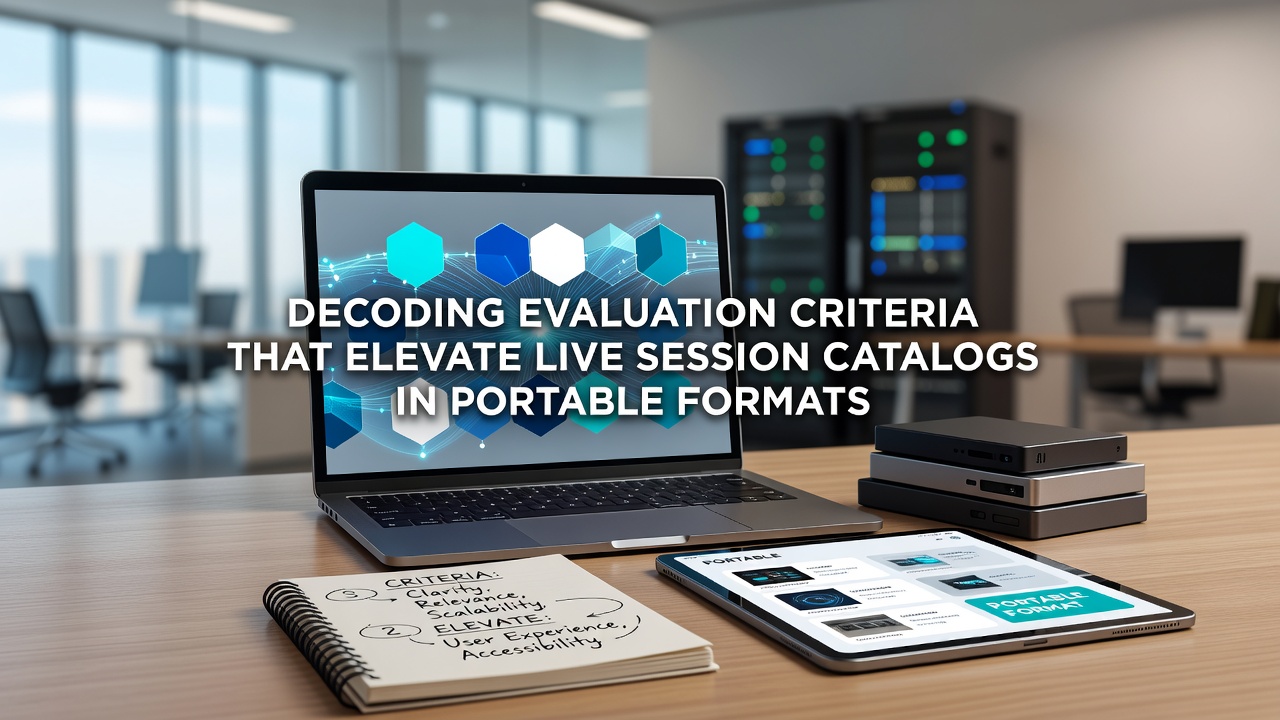
Criteria Elevating Live Dealer Catalogs in Mobile Formats
Live session catalogs represent collections of real-time dealer interactions available through portable applications, and evaluation criteria focus on aspects that determine their effectiveness across devices. Researchers track how these catalogs integrate video streams, session metadata, and user navigation tools in environments where players access content via smartphones and tablets. Data from industry reports shows that platforms optimizing for quick loading times and seamless transitions between sessions achieve higher retention rates during peak periods such as July 2026.
Core Components of Portable Catalogs
Session catalogs in mobile formats combine live video feeds with interactive elements like chat functions and betting interfaces, while evaluation begins by examining compatibility with operating systems and network conditions. Observers note that catalogs incorporating adaptive bitrate streaming maintain consistent quality even when connections fluctuate, a factor that becomes critical in regions with variable mobile infrastructure. Those who've analyzed deployment patterns across multiple operators find that standardized metadata tagging allows faster content discovery, reducing the steps required to locate specific dealer tables or game variants.
Technical Benchmarks for Assessment
Evaluation frameworks assess compression algorithms that preserve visual clarity without excessive data usage, and studies indicate portable formats benefit when developers prioritize formats compatible with both iOS and Android ecosystems. Metrics include frame rate stability during extended sessions and synchronization accuracy between dealer actions and player inputs. Experts have observed that catalogs scoring high on these measures often feature integrated tools for session recording and replay, features that support regulatory compliance in jurisdictions such as those overseen by the Malta Gaming Authority.
Additional criteria examine security protocols embedded within the catalog structure, including encryption standards for data transmission and authentication layers that verify participant identity before access. Figures reveal that applications meeting or exceeding ISO 27001 benchmarks demonstrate fewer interruptions related to security handshakes, allowing continuous play across portable devices. What's interesting is how these technical elements intersect with user interface design, where touch-optimized controls replace traditional mouse inputs without sacrificing precision during live interactions.
Content Variety and Organization Standards

Catalog organization relies on filtering systems that sort sessions by game type, dealer language, or table limits, and research indicates effective implementations use dynamic tagging updated in real time as new tables open. One study revealed that catalogs providing predictive recommendations based on historical player behavior increase session duration by measurable margins. Those evaluating these systems often examine the balance between automated suggestions and manual browsing options, ensuring neither overwhelms the interface on smaller screens.
Geographic considerations appear in content localization, where catalogs adapt language, currency displays, and regional game preferences automatically according to device location data. Reports from the Ontario Lottery and Gaming Corporation highlight how such adaptations align with local regulations while expanding accessibility for international users. Portable formats gain further elevation when catalogs support offline caching of non-live elements like rules explanations or previous session summaries, features that maintain engagement during connectivity gaps.
Performance Measurement Approaches
Assessment continues through analytics that monitor load times, error rates, and user navigation paths within the catalog interface. Data shows that platforms employing A/B testing on catalog layouts identify optimal arrangements for different screen sizes and orientations. Observers note integration with broader loyalty systems allows tracking of how catalog features influence progression through reward tiers, providing operators with concrete indicators of value.
Industry organizations including the American Gaming Association have documented cases where refined evaluation criteria led to measurable improvements in cross-device consistency, particularly when catalogs incorporate progressive web application technology. Such approaches enable updates without full app store resubmissions, accelerating the rollout of enhancements identified through ongoing assessment.
Conclusion
Evaluation criteria for live session catalogs in portable formats encompass technical performance, content organization, security measures, and adaptability to user contexts. Reports compiled through 2026 demonstrate that operators applying structured assessment frameworks achieve more stable and accessible mobile experiences. Continued refinement of these criteria supports broader industry goals around regulatory adherence and player engagement across evolving device landscapes.